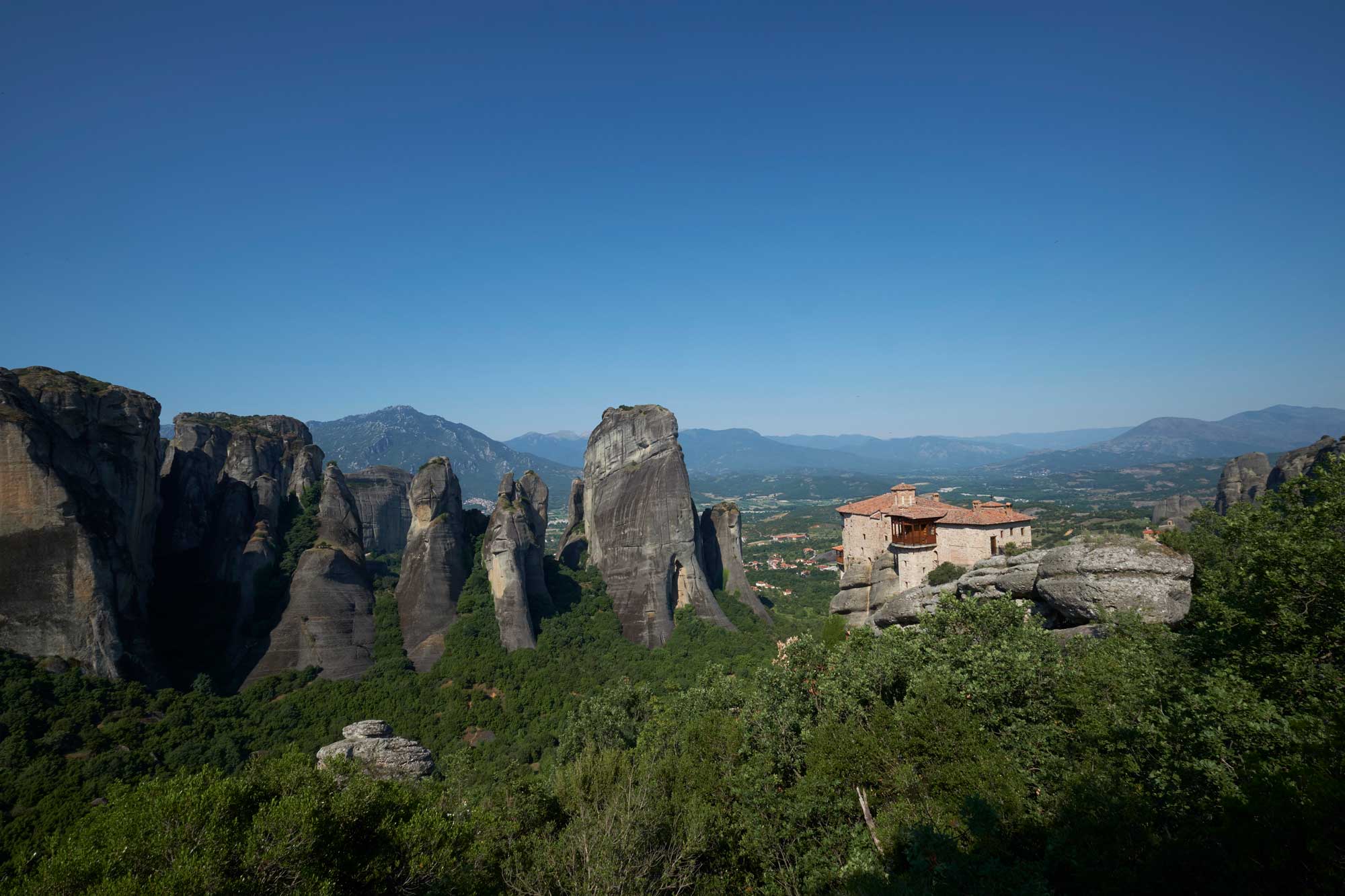
The first ascetics settled in Meteora in the tenth and eleventh centuries, making their dwellings in the natural fissures in the rocks or in small monastic ‘cells’. They built rudimentary chapels, called prosevchadia, for their daily prayer. The number of monastics gradually increased during the twelfth century.
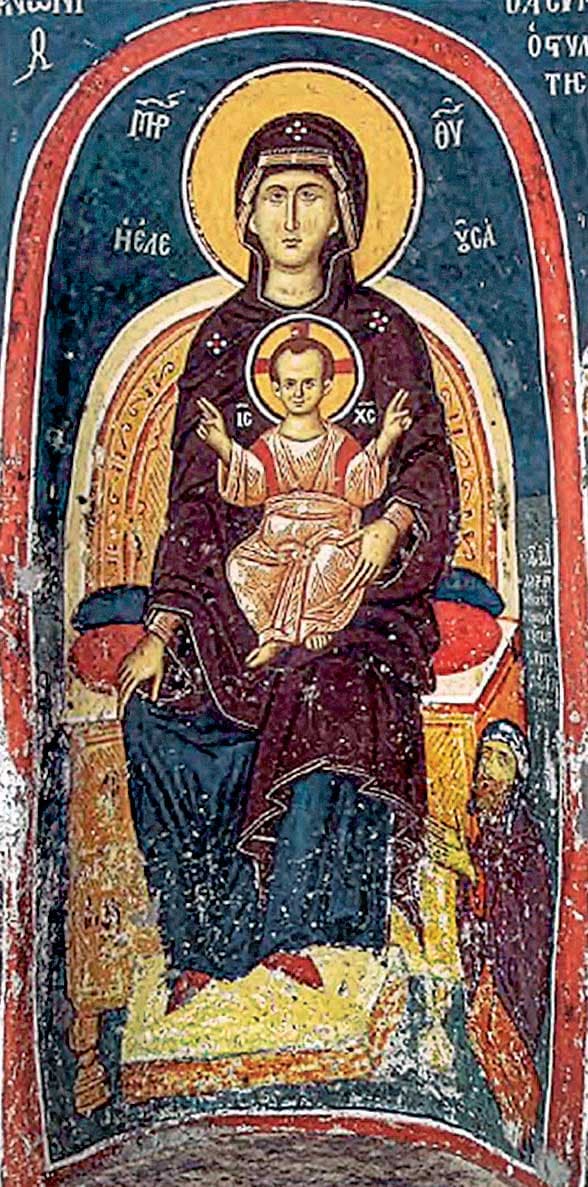
The first attempt to establish an organised type of monastic life began in the the twelfth century, with the foundation of the Scete of Doupiani or Stagon, located just outside the present-day village of Kastraki. It was organised around a small church dedicated to the Mother of God. This church was the first kyriakon, or main monastic church, also called Protato (denoting ‘first’) of the monastic state. Each Sunday the anchorites of Meteora would leave their hermitages or caves and gather for common worship at this small church of the Mother of God at Doupiani.
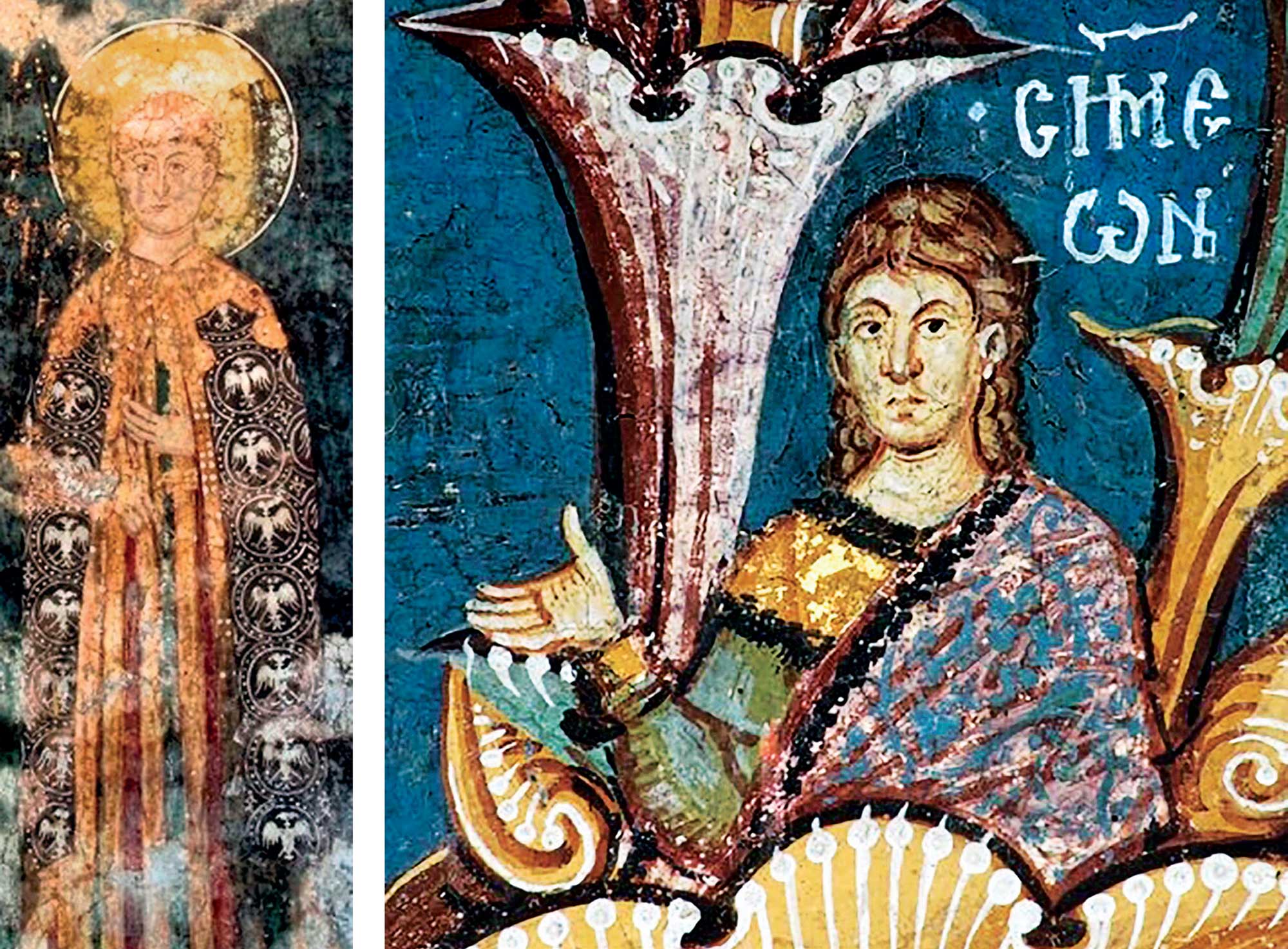
In 1348 Thessaly became part of the Serbian Empire, and fell under the rule of Simeon Uroš Palaiologos, who was seated in Trikala, and monasticism on Meteora benefited in many ways, both financially and through the granting of officially-documented privileges.
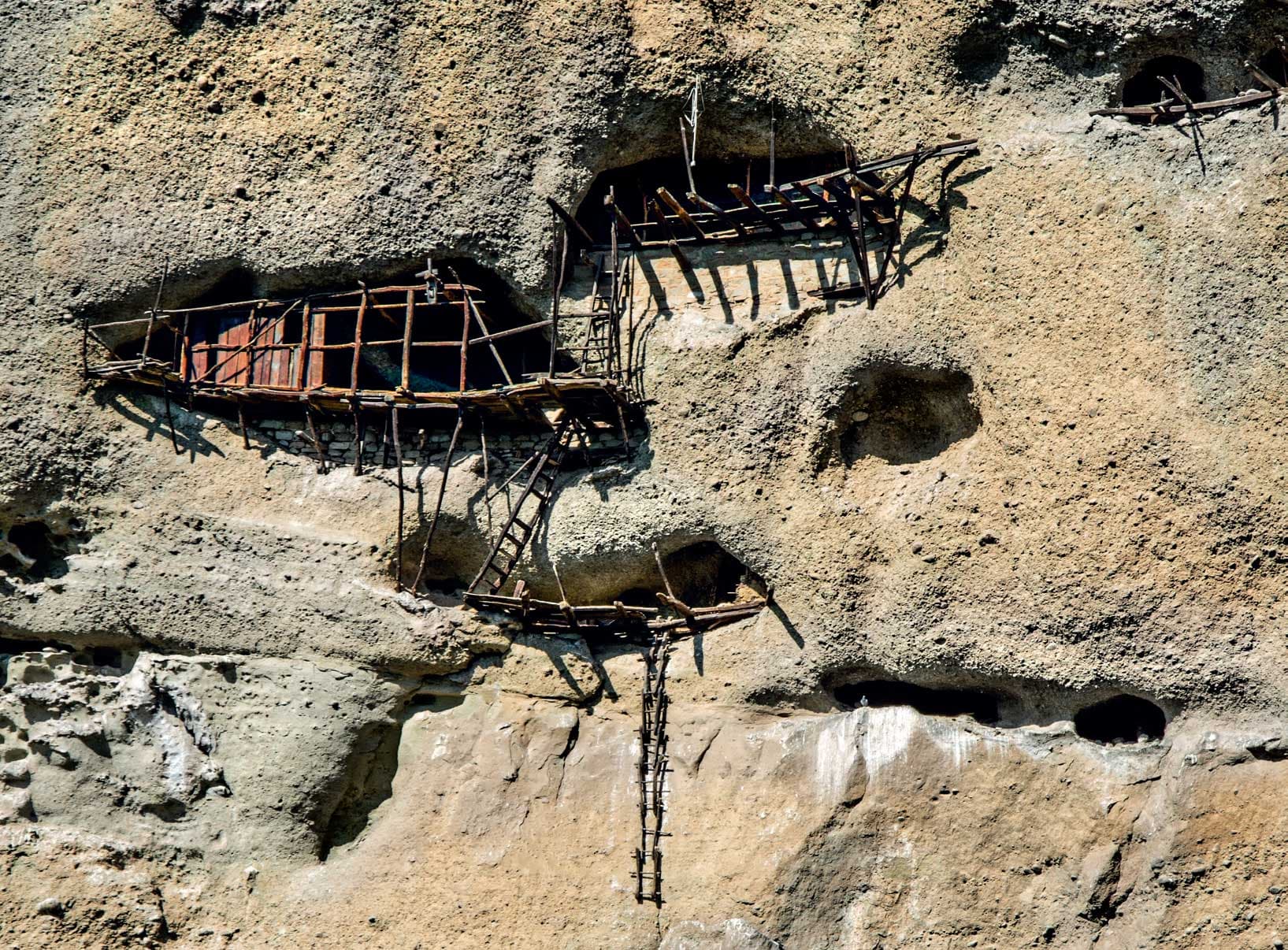
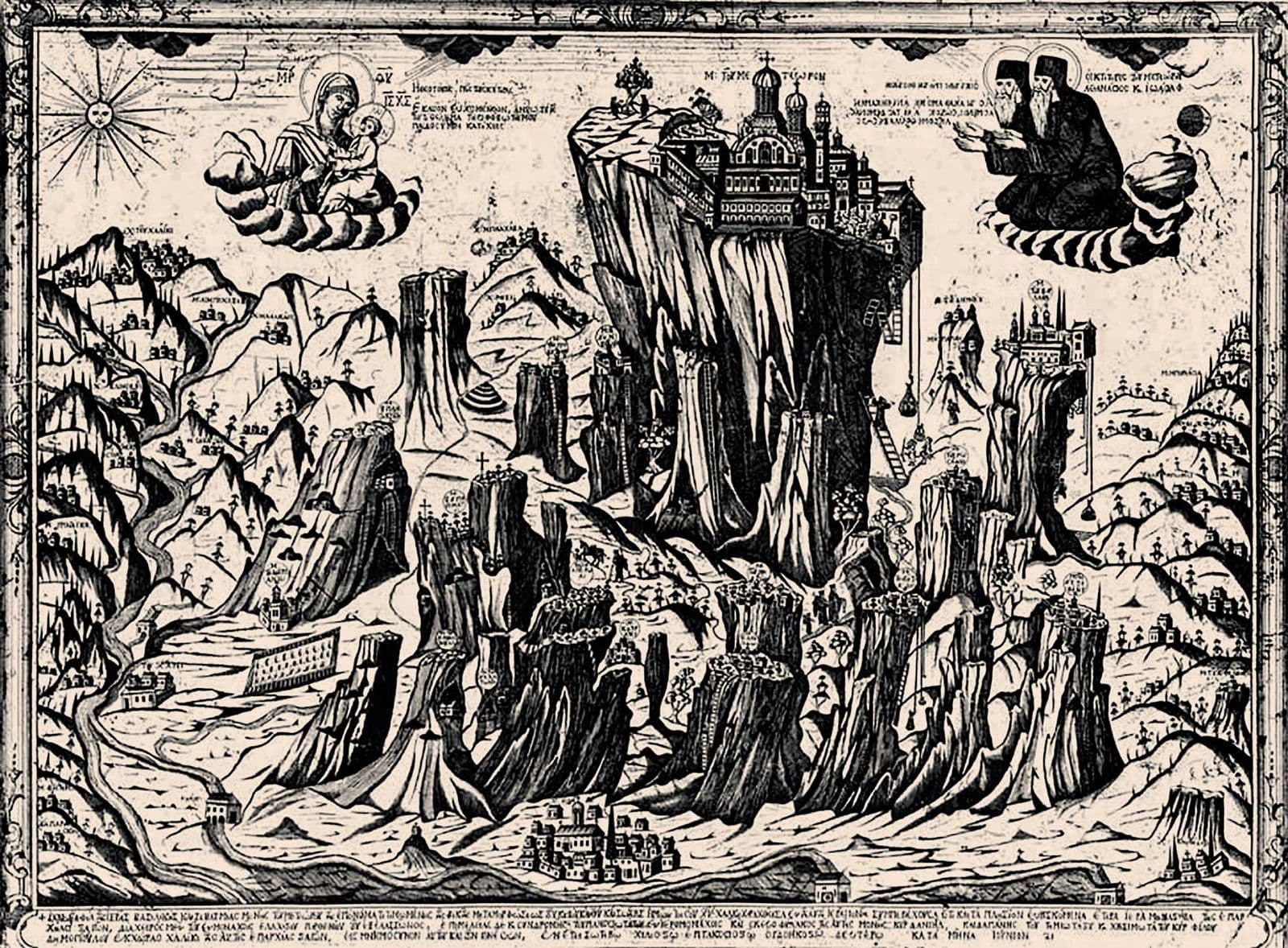
Hieromonk Neilos was a prominent figure of the fourteenth century, well-known for founding several monasteries in Meteora. Monasticism in Meteora flourished particularly under Athanasios of Meteora, who came from Mount Athos along with his Elder, Gregorios Politis, in the year 1334. St Athanasios compiled a strict monastic rule of coenobitic living for the monastic fraternity, organised according to the rites of the monasteries of Mount Athos.
Monasticism in Meteora reached its zenith in the fifteenth and sixteenth centuries. During this period a great deal of construction work in the monasteries, as well as iconography in the churches, was undertaken. It was also during this period that several holy and learned figures came to Meteora, who compiled and copied manuscripts and codices at the manuscript workshops that operated in the monasteries.
From approximately the middle of the sixteenth century, for various reasons, monasticism in the caves of Meteora declined significantly and monydria or smaller monasteries were gradually abandoned. At the same time, however, an increasing number of great ascetics came to Meteora, and created the large monastic complexes.
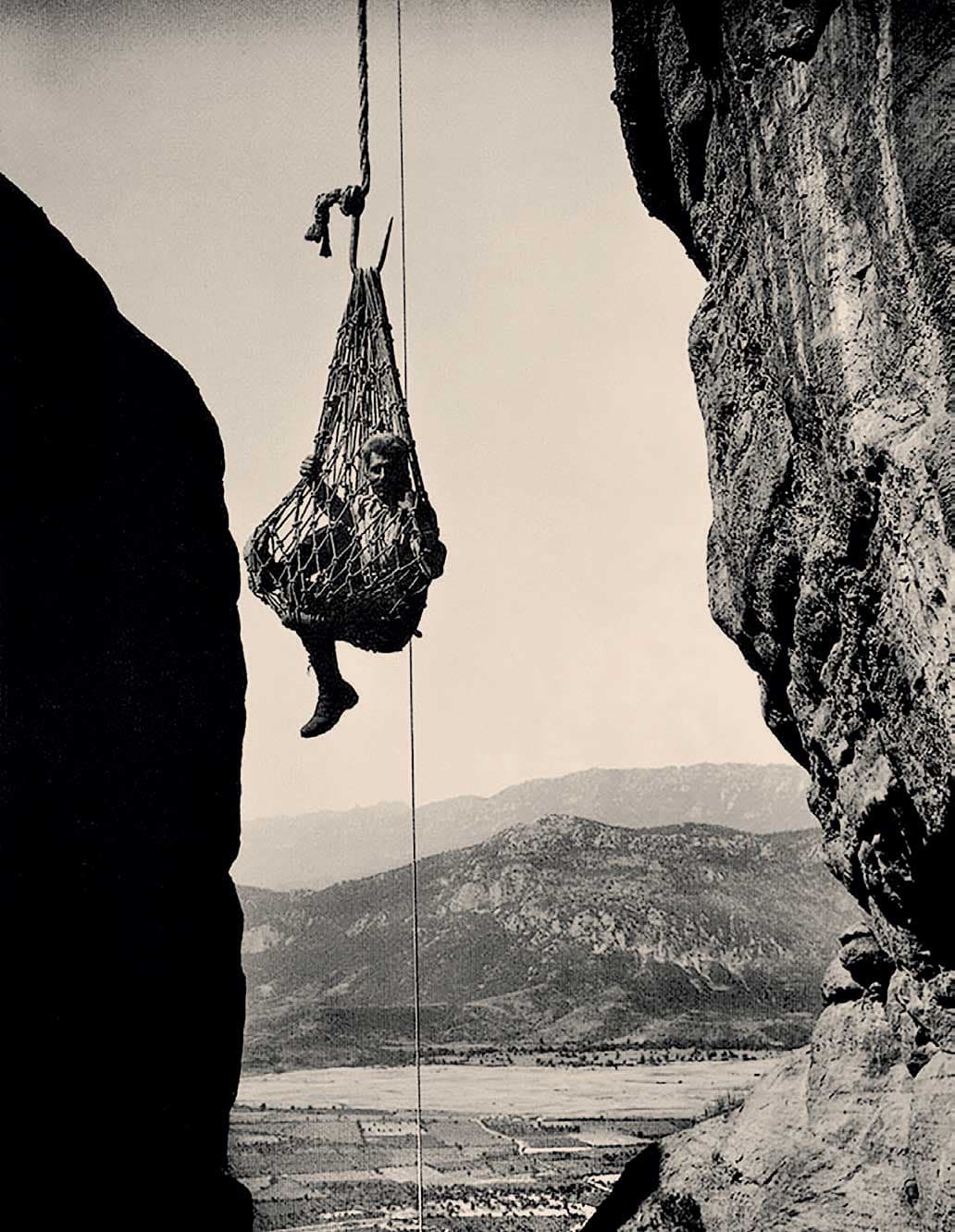
The beginning of the 20th century signalled a regeneration of interest in the monasteries of Meteora. It was then that for the first time bridges were constructed and staircases were carved into the rocks in order to facilitate access to the monasteries. The nets and rope ladders that had for centuries been the only means of reaching the monasteries fell into disuse.
Much restoration and reconstruction work was completed during the course of the twentieth century (apart from a short interruption during the years of the German Occupation (1941-44), and especially from 1970 onwards.
In 1988 Meteora was included on the UNESCO World Heritage List, while in 1995 it was included in the European Union network of natural sites called Natura 2000. In the same year Holy Meteora was declared a ‘sacred site, unchangeable and inviolable’ (Greek Law 2531/11.10.95).
At the present time five monasteries are occupied by monks, those of Great Meteoron, Varlaam, the Holy Trinity, St Nicholas Anapausas and the hermitage of St Anthony. Two monastic houses, St Stephen and Roussanou, are nunneries.
The monks and nuns of Holy Meteora struggle tirelessly to keep alive the tradition of orthodox monasticism and to hand it on to those in the next generation who want to follow a genuine and authentic monastic way of life. It is particularly important for visitors to show their respect for this way of life by dressing and behaving appropriately.