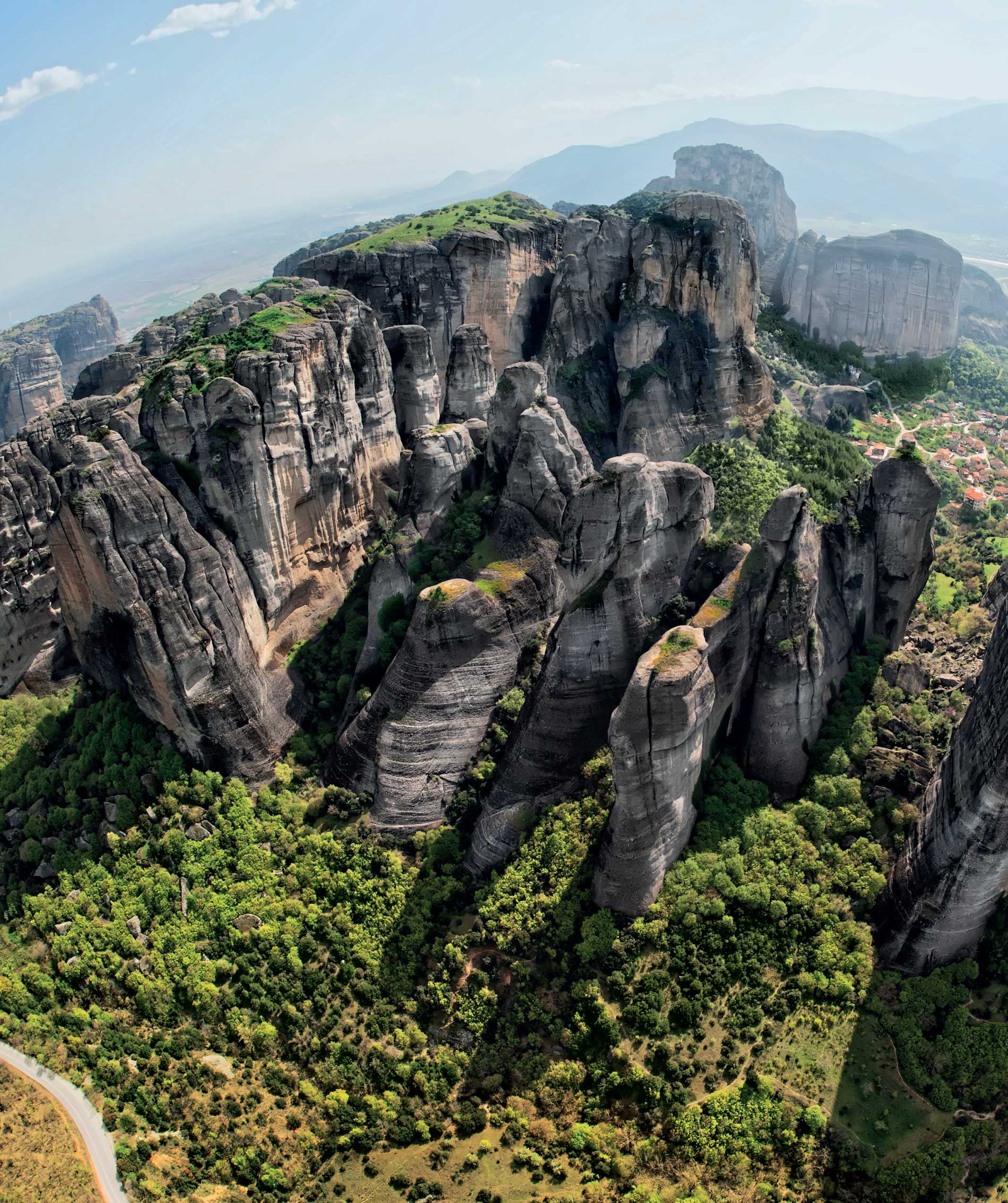
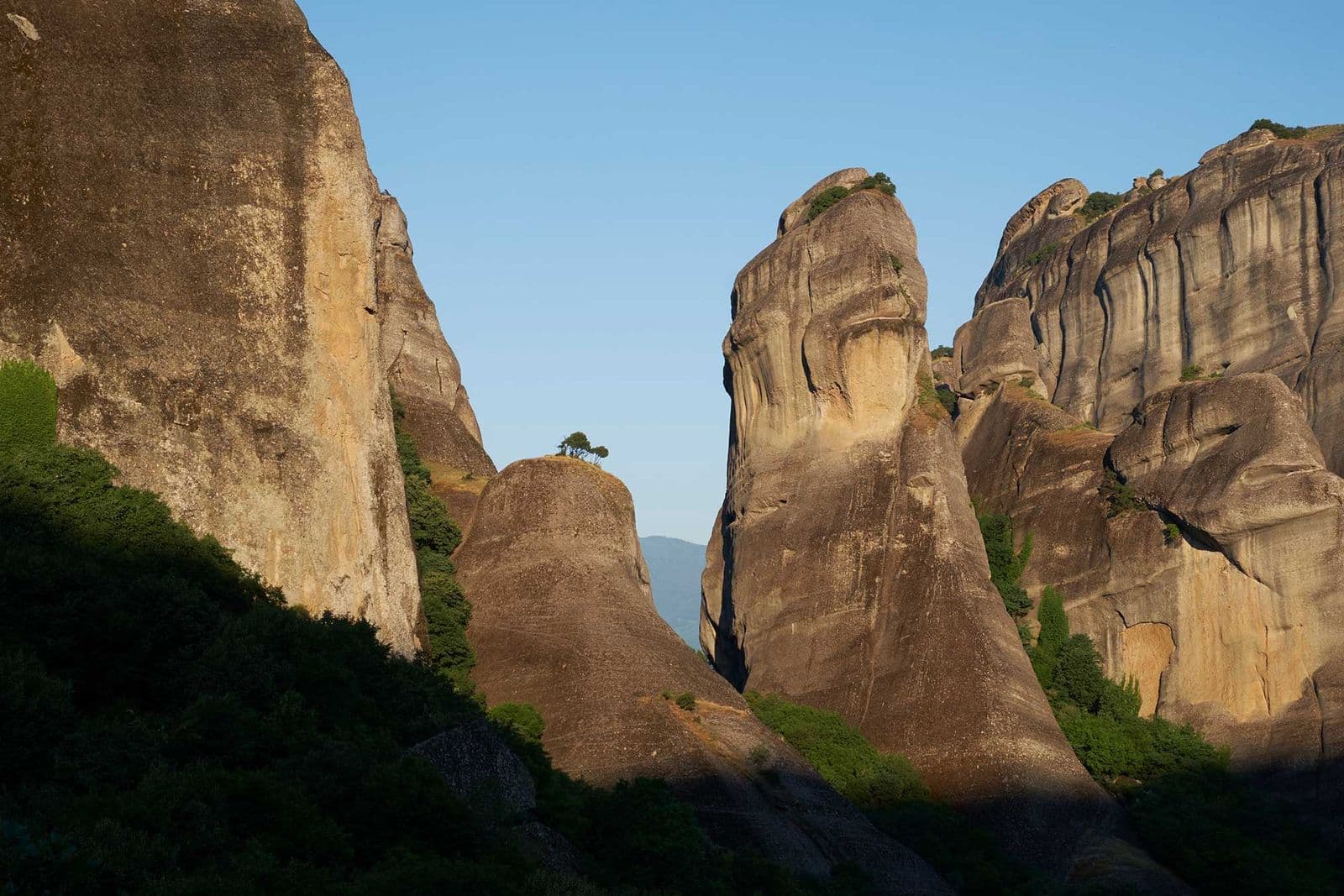
Meteora is a complex of hundreds of columns of rock of varying sizes that rise majestically from the plain behind the town of Kalambaka, near Mount Koziakas and the Chasia mountain range. Nearby, the river Pineios flows down from the Pindus Mountains into the plain of Thessaly. To the south east lies the limestone rock formation of Theopetra, with its famous cave, which was continuously inhabited from the Palaeolithic period up until the Neolithic.
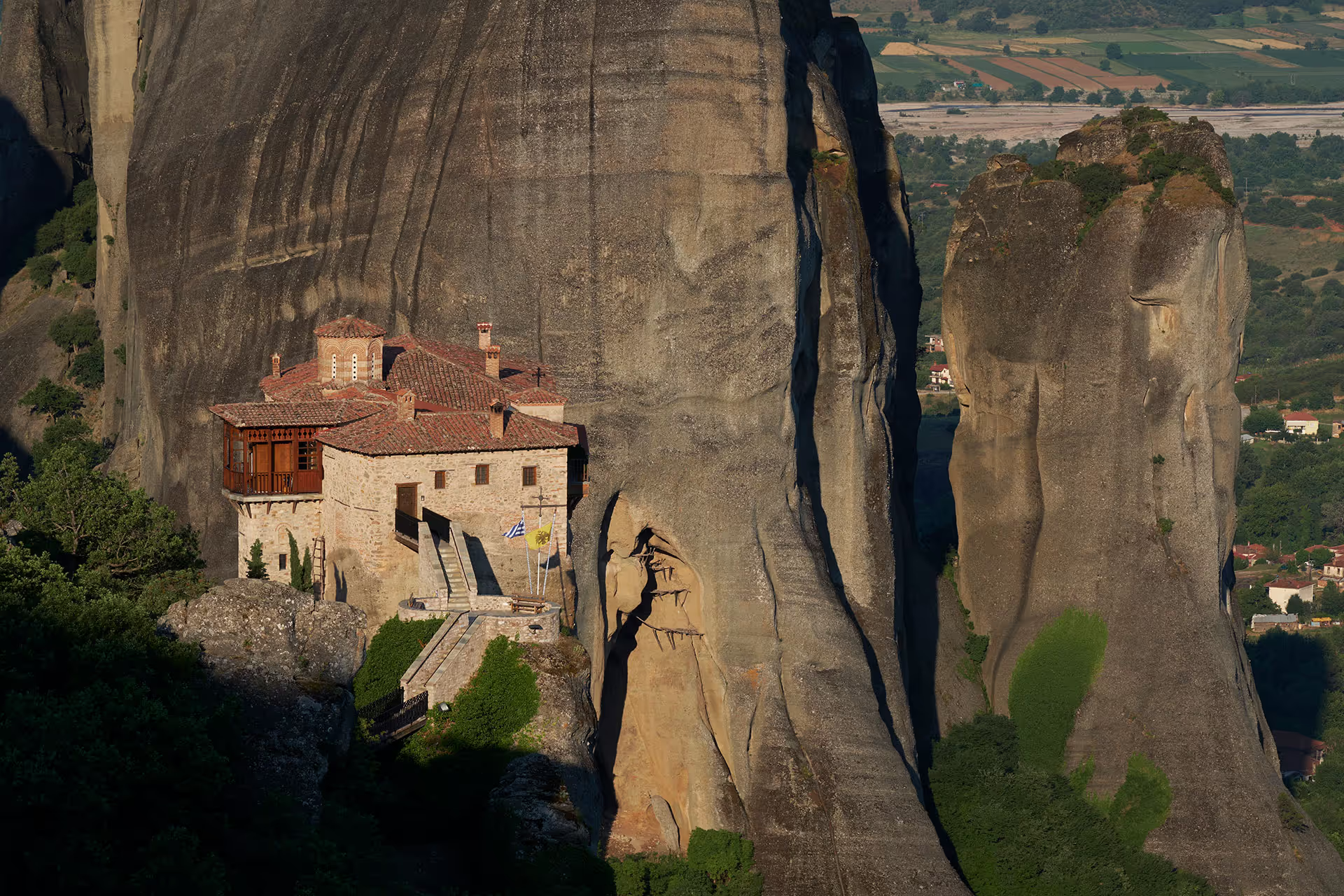
Meteora is also the name given to the monasteries that from the fourteenth century onwards were built on top of these extraordinary and precipitous rock formations. By the eighteenth century more than forty monasteries, monastic cells and hermitages had been built and at various times inhabited.
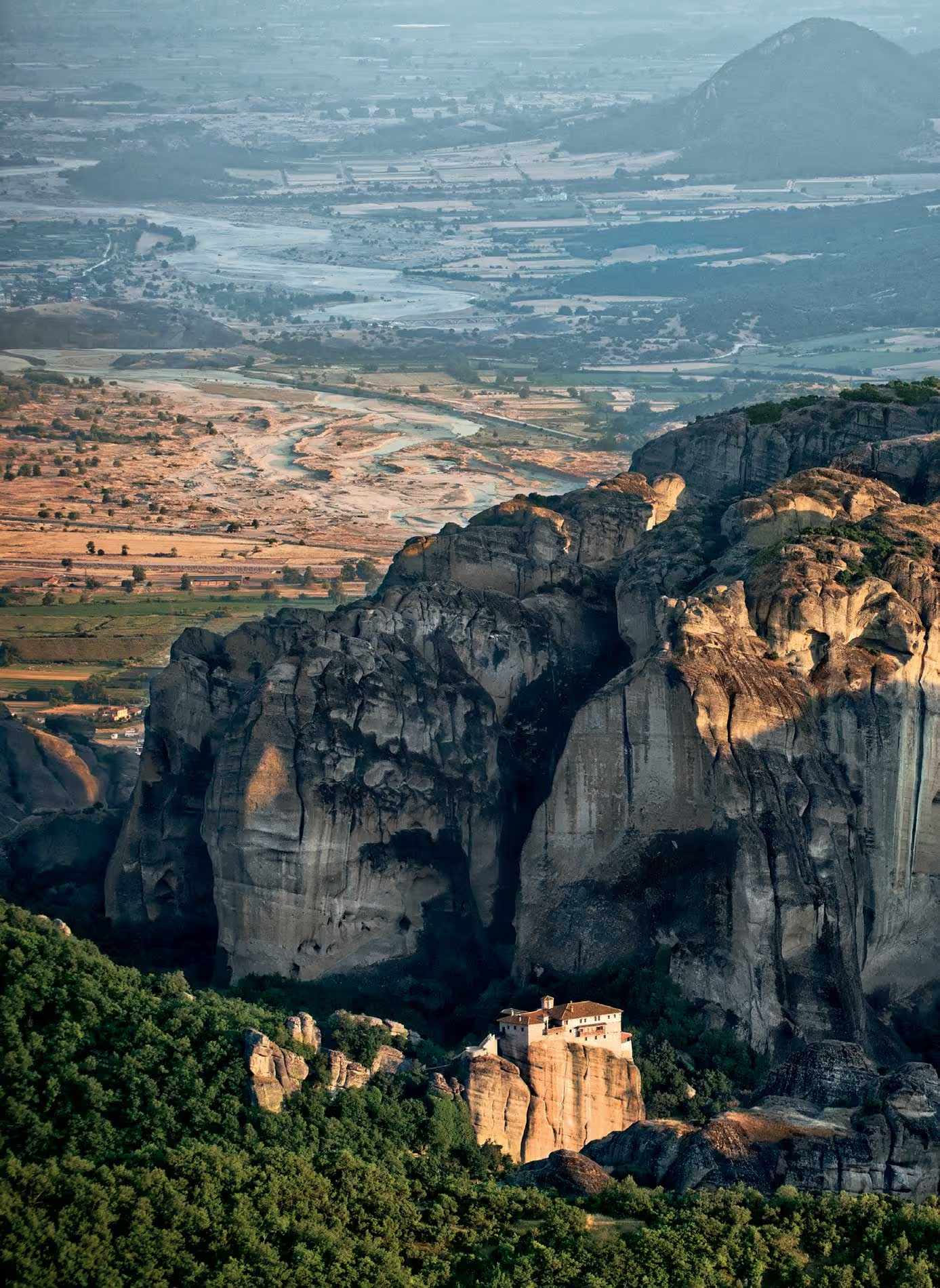
The name Meteora dates from the fourteenth century, and no references are found in ancient sources. Around 1340 AD, St Athanasios of Meteora, also known as Athanasios Koinovitis, founder of the Monastery of the Transfiguration, or Great Meteoron, chose the place of the Wide Rock (in Greek Platis Lithos or Platilithos) for his seclusion. He called it Meteoron, a name that eventually came to apply to the entire complex of rock pillars and the monasteries themselves.
The word ‘meteora’ derives from the Greek words ‘meta’ and ‘aeiro’ and means ‘suspended in the air; hanging in empty space; between heaven and earth.’ The Life of St Athanasios of Meteora uses the term lithopolis or ‘city of rocks’ to refer to Meteora, while in more modern times Sister Theotekni from the Convent of St-Stephen called it ‘the rocky forest of Meteora’. The noted nineteenth-century French archaeologist and traveller Léon Heuzey referred to this rocky state of Meteora as the ‘Thebes of Stagoi’.
The ‘rocky forest of Meteora’ is one of the most evocative and remarkable landscapes in the world. The anchorite monks who settled here chose a highly suitable setting for their life of asceticism. Although climbing up the rocky pinnacles to the monasteries may be physically demanding, the visitor is filled with awe and wonder, as if crossing ‘the bridge leading those from earth to Heaven’. A visit to the spiritual castles of holy Meteora and this extraordinary landscape is a unique and spiritually inspiring experience. The wildness of these grey-green wild mountainous outcrops give way to silence, seclusion, spiritual reverie and the sense of the presence of holy grace.